Getting Into the Playtest
Deadlock is a multiplayer game in early development by Valve, and access is currently limited to friend invite via existing playtesters. That single detail shapes everything about a beginner’s first few hours: there is no open store page, no public sign-up, and no free weekend. The way in is to have someone who already has access send you an invite.
So the practical answer to how to invite friends to playtest Deadlock is simple. If you already have access, you invite friends directly through the game’s existing invite flow, and those friends gain access the same way you did. If you do not yet have access, you need a friend who does. Because this is an early-development playtest rather than a finished release, the invite-only gate is expected to change over time, but Valve has not officially announced when (or whether) that will happen. Treat any claim about an open beta date as community speculation, not confirmed fact.
Once you are in, the best first move is to spend time in the sandbox and practice environments before queueing. Deadlock is a hybrid, and the learning curve is much steeper if your first contact with its systems happens in a live 6v6 match.

Deadlock Player Count: What We Actually Know
Beginners often search for a Deadlock player count to gauge whether the game is alive before investing time. The honest answer is that no official concurrent-player figure is published for the playtest. Because access is invite-gated, the population is naturally smaller and more variable than a fully launched title.
Community trackers such as SteamDB are the usual reference point that players cite when comparing the game’s activity over time, and community-reported figures are always worth reading as a rough trend rather than a precise number. When you see a specific “Deadlock player count” quoted somewhere, check when it was measured — because the playerbase moves with each hero release and each major update, a number that was accurate last month may be badly out of date today. In short: use player-count trends as directional information, and assume any exact figure is community-reported rather than official.
The Core Loop: How to Play Deadlock
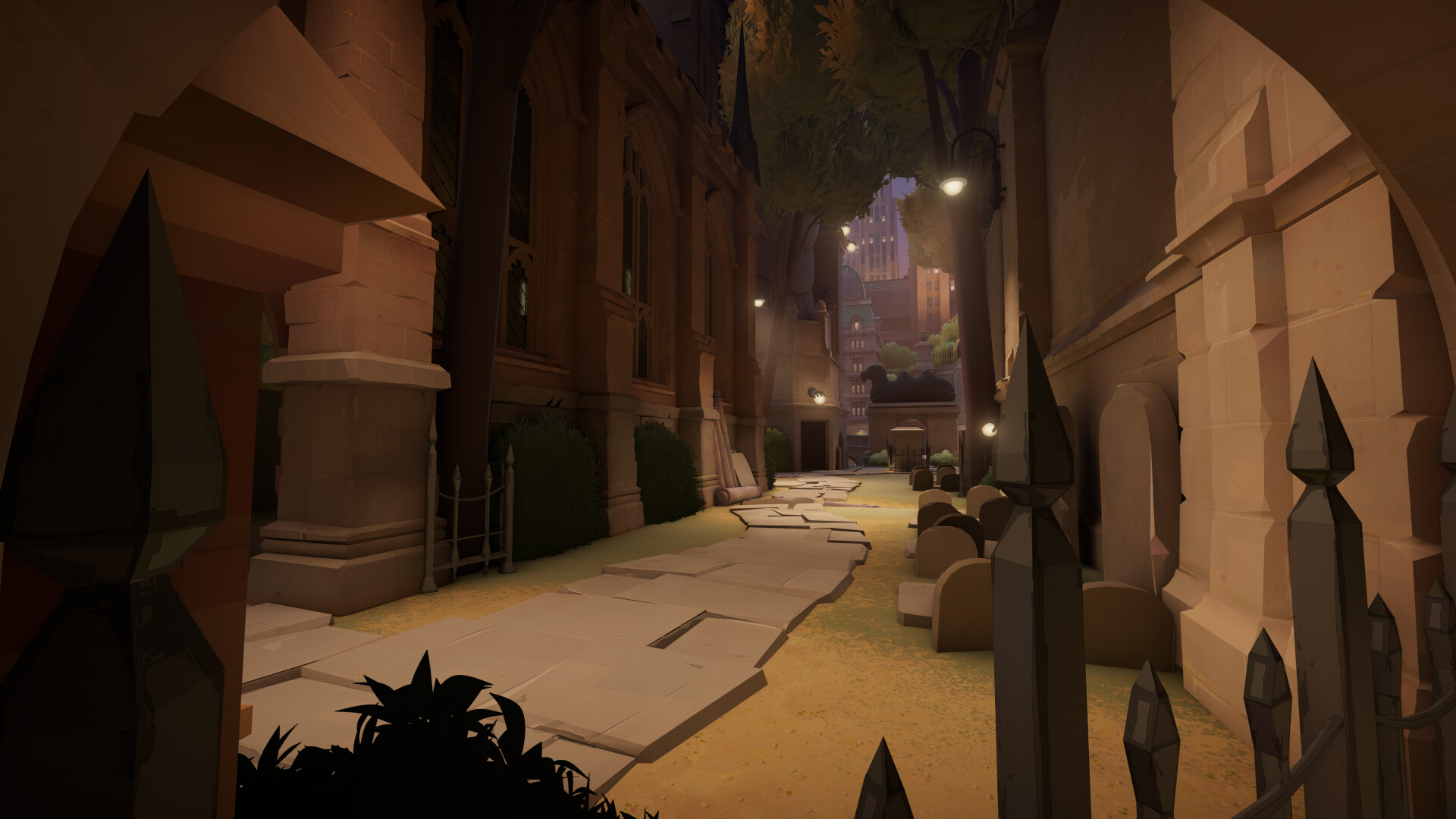
How to play Deadlock comes down to understanding that this is a 6v6 MOBA third-person shooter. Two teams of six fight across a lane-based map set in the “Cursed Apple,” an ever-changing version of New York City. It blends third-person shooter combat with MOBA-style lanes, heroes, items, objectives, and patrons.
Your job in a match is to push lanes, farm resources, win fights, and destroy the enemy base — the full arc runs from laning all the way to a base assault. New players should think of every match as a sequence of phases: a laning phase where you farm and trade safely, a mid game where you fight over objectives and roam, and a late game where a single team fight can decide the match.
Souls Are the Currency
The resource that powers everything is souls. You earn souls primarily by last-hitting enemies in lane, and souls function as the currency for buying items that scale your hero. The twist is that souls appear as orbs, and the enemy can deny them — so last-hitting and denying are core mechanical skills worth practicing early. If you come from a shooter background and the “last hit” concept is new to you, this is the single habit that most quickly separates beginners from experienced players.
Lanes and the Zipline Map
The map is built around three to four lanes, connected by ziplines that let you move between your base and the front lines quickly. Learning the zipline routes early pays off, because rotating between lanes at the right moment is how you turn a small advantage into map control.
Objectives: From Guardians to the Patron
Each lane has an objective that players describe as “the giant thing with the torch” — the Guardian. Beyond Guardians, the objective chain runs through Walkers, Shrines, and finally the Patron at the enemy base, with a Mid-Boss / Rejuvenator in the mix as a contested neutral objective. Breaking the enemy’s defenses down this chain is what ultimately wins you the game, so objectives matter more than raw kill counts.
Map Objectives Worth Grabbing
Beyond the lane structures, the map is packed with optional objectives that reward map awareness. These are worth learning early because they are free resources most beginners walk past:
- Bell Tower — Ascend the Chinatown Bell Tower for a highly concentrated soul hotspot. Be warned: the bell rings loudly across the map while you collect, telling everyone exactly where you are.
- Sunken Plaza — Hidden beneath a district’s main square, this is a high-risk, high-reward objective (the sounds of the outside world fade away as you descend).
- Tough Crates — These require a Heavy Melee to break open, but the extra souls make them worth the swing.
- Buff Containers — Revamped golden statues that now grant permanent bonuses including Spirit Resist, Bullet Resist, Ability Range, and Move Speed.
- Healing Snacks — Hidden around the map, these let keen-eyed players heal up in a pinch.
- Steam Vents — Stand on these to gain invisibility and a small amount of regeneration, letting you move around the city in veiled cover with your team.

Picking a Beginner-Friendly Hero
A roster this large is intimidating, so start with heroes the community consistently recommends for newcomers: Abrams, Haze, Seven, Infernus, McGinnis, and Dynamo. These picks tend to have straightforward kits that reward basic shooter fundamentals.
As you branch out, it helps to understand what each hero wants to do, because in Deadlock the counter-pick matters as much as the pick. Community guides regularly frame heroes by their weaknesses:
- Abrams — stuns and healing that anti-heal, barrier, and slow items counter.
- Bebop — hook, uppercut, and bombs that barrier, debuff-removal, and rescue items answer.
- Dynamo — abilities and an ultimate that barrier, control, and rescue items handle.
- Haze — primary fire and an ultimate that return fire, knockdown, and defensive items punish.
- Infernus — a passive and healing that debuff reduction, anti-heal, and slowing items check.
- McGinnis — turrets and slowness that monster rounds, mobility, and damage-reduction items counter.
Other heroes you will run into constantly include Grey Talon, Ivy, Kelvin, Lady Geist, Lash, Mirage, Seven, Vindicta, Shiv, and newer additions such as Graves, Venator, Silver, Rem, Apollo, Celeste, and Violet. Community players often call out favorites like Graves and Vindicta, while Heroes such as Seven are described as high-damage carry threats once they get fed. Don’t try to master everyone at once — pick one or two beginner-friendly heroes and learn the map first.
Items and Builds: The MOBA Half of the Game
Deadlock’s shop is organized into three item categories — Weapon, Vitality, and Spirit — spread across four cost tiers. Build guides (maintained by community resources) usually present per-hero item routes by phase, recommending which tier to buy as the game progresses. As a beginner, the safest approach is to follow a phase-based route rather than improvising: buy your early laning items, then fill out around your hero’s strengths, then upgrade into high-tier purchases for the late game.
A few item types are worth recognizing because they answer common problems:
- Anti-heal items (Decay, Healbane, Toxic Bullets) counter heroes with healing.
- Defensive items (Reactive Barrier, Ethereal Shift, Metal Skin, Unstoppable) keep you alive through stuns, bullets, and ultimates.
- Disabling items (Knockdown, Curse, Silence Glyph) stop enemy heroes and interrupt ultimates.
- Mobility items (Warp Stone, Extra Stamina, and similar) help you escape abilities and slow effects.
- Armor items (Bullet Armor, Spirit Armor) mitigate damage in the lane you’re struggling against.
If a specific enemy is repeatedly killing you, the answer is usually an item, not a new hero. Learning to read the enemy team and buy the counter is the fastest way to climb out of beginner play.
The Broker and Corrupted Items
The Broker is a mysterious wandering merchant who sells demon-touched — Corrupted — items. He appears in different spots on the map, stays only a few days, and is only around for a limited time. He exchanges your high-tier items for Corrupted versions (for example, Corrupted Ricochet or Corrupted Recharge).
The trade-off is real: each match, every corrupted item gets random negative attributes drawn from a predefined set, so the Broker is a gamble that can pay off enormously or backfire. As a beginner, treat him as an advanced experiment — powerful, but not the thing to worry about in your first matches.
Haunts: The New Neutrals
The neutrals you may have read about in older guides have been replaced by a variety of creatures called Haunts, each with new behaviors. Their soul value and comparative difficulty are now shown directly in the HUD, which makes them easier to evaluate before you commit to a fight. Notable Haunts are themed to the map’s districts — for example the Stage Hands in the Theater, the Crabbage Pots and Festival Spirit in Chinatown, the Shrooms in the Haunted Lot, and the Underhands in the Plaza. Other creatures you may encounter include Specimens, Gutter Ghouls, Barrel Mimics, and Past Dues.
Game Modes: Standard and Street Brawl
Beyond the standard 6v6 match, Deadlock offers a fast, low-stakes way to learn the game: Street Brawl, a quick 4v4 mode contested over a best-of-five match. Each round lasts only a couple of minutes, and — crucially for beginners — players start every round with equal resources, so there is no farming. That makes Street Brawl an excellent place to practice team fighting and hero mechanics without the pressure of a full lane economy.
If you are nervous about jumping straight into a ranked-style 6v6 match, Street Brawl is your training ground.
How to Play Ranked in Deadlock
Players searching for how to play ranked Deadlock should know one important caveat up front: as of the current playtest, Valve has not officially described a traditional ranked playlist with visible ranks on the official site or its major update notes. The material available for the playtest describes game modes and matchmaking but does not confirm a formal competitive ladder.
In practice, competitive play currently comes from the standard 6v6 mode, and the community reports that matches are matched by skill behind the scenes. Because that is community-reported rather than officially confirmed, treat any specific claim about rank tiers, MMR numbers, or a dedicated ranked queue with caution — these details change frequently during development.
If you want to compete seriously today, the reliable path is to master the fundamentals: farm efficiently, learn objectives, and build counter-items. Those skills carry into whatever official ranked system eventually arrives.
Where to Find Replays and Postgame Stats
For where to find Deadlock replays, the most dependable in-game resource is the revamped postgame screen. After a match you get a new MVP scoring system and postgame summary, including a postgame graph that tracks every permanent buff collected during the game. This is the cleanest way to review what happened and where your team’s advantage came from.
A full public replay or demo browser has not been officially detailed in the playtest material available, so for now the postgame summary is the primary review tool. Third-party community sites occasionally surface match data as well, but because those are community-run and not official, verify anything you see against the in-game postgame screen before relying on it. Recording your own gameplay externally remains the most reliable option if you want to study your own matches in detail.
Hero Releases and Community Voting
Deadlock’s roster has been growing quickly, and the community directly shapes the order. New heroes are released two per week, and players vote on the release order. You earn votes simply by playing, and the First Win of the Day grants bonus votes. Voting happens in two places: the new Pregame lobby (where the winning team’s votes count double) and the Hideout ballot box. New Hero Priority Tokens let players more reliably select newly released heroes before they become widely available.
Release schedules have been announced per update — for example, “Old Gods, New Blood” released two heroes per week on Mondays and Thursdays at 2:00 PM PST starting January 26th, while “City Never Sleeps” scheduled releases on Tuesdays and Fridays at 2:00 PM PT with the first on October 2nd. Schedules like these are the kind of detail that shifts between updates, so always confirm the current timing in-game.
Accessibility and Quality-of-Life Options
Deadlock includes dedicated accessibility settings across visuals, audio, and controls. Options include enemy UI color, VO subtitles with customization, auto move, auto fire, auto mantle, reduced camera shake, and reticle updates. Beginners who are new to shooters on PC — or who simply want a cleaner screen — should spend a few minutes here, because auto move and auto fire can dramatically lower the mechanical floor while you learn the macro game.
Tips for Your First Matches
- Don’t skip practice. The sandbox and practice environments exist precisely so your first live match isn’t your first time aiming, buying, or moving.
- Learn last-hitting first. Souls are everything, and clean last-hitting plus denies is the most transferable beginner skill.
- Think in phases. Laning — objectives and roaming — base assault. Play to the phase you’re in.
- Buy the counter, not the shiny item. Right-click an enemy you keep dying to and build the item that answers them.
- Use Street Brawl to warm up. Equal resources and quick rounds make it the ideal low-pressure practice mode.
- Watch the postgame graph. Understanding why you won or lost is how you actually improve.
The Bottom Line
Deadlock rewards patience more than raw aim. Get invited, practice before you queue, learn the souls economy, pick a beginner-friendly hero, and let items solve your problems. The map — with its Guardian lanterns, Bell Tower, Sunken Plaza, and Haunts — will teach you the rest match by match.
A final reminder on sourcing: Deadlock is in active early development, and much of what circulates online is community-reported rather than officially confirmed. Player counts, ranked details, replay features, and hero schedules all move quickly. When in doubt, trust what you can see in-game over any third-party figure.