What This Deadlock Guide Actually Is
Fair warning before you read a single bullet below: this is a community-reported, deliberately unserious take on Deadlock. It is not an official Valve tutorial, it does not contain hidden tech, and it will not raise your rank on its own. What it will do is give beginners a mental framework for the first handful of matches — where to point your feet, when to stop overthinking, and how to laugh instead of tilt.
If you landed here searching for a deadlock guide 2026 that promises rank-up secrets, keep scrolling. If you want a deadlock guide for beginners that admits half of the game is vibes and the other half is patience, this is the one. And if you specifically opened a deadlock guide Valorant tab expecting a hero tier list, a quick clarification: Deadlock is Valve’s own hero shooter–MOBA hybrid, not Riot’s tactical shooter. The confusion is common enough that this guide gets surfaced for it anyway, so consider the misconception officially cleared.
One more note — the tactics here are community folklore, not confirmed mechanics. Treat anything labeled “works 30% of the time” as exactly that.
Step 1 — Get the Client Open (and Do Not Panic)
The first hurdle is exactly what you’d expect: the game launching. If it opens, excellent, you’re already ahead of the curve. If it doesn’t, the community joke is that this is “lore-accurate” — Deadlock’s world is a chaotic, unstable place, so a rough startup feels thematically correct.
The actual advice hiding inside the bit is this: do not immediately mash restart the moment something looks off. Sit there for a beat, let the loading settle, and see if the screen sorts itself out. Restarting repeatedly can interrupt asset loading and make a slow boot feel like a failed one. Give it a stare-down. If it’s still frozen after a reasonable wait, then restart.
Step 2 — Choose a Hero by Instinct, Not Spreadsheets
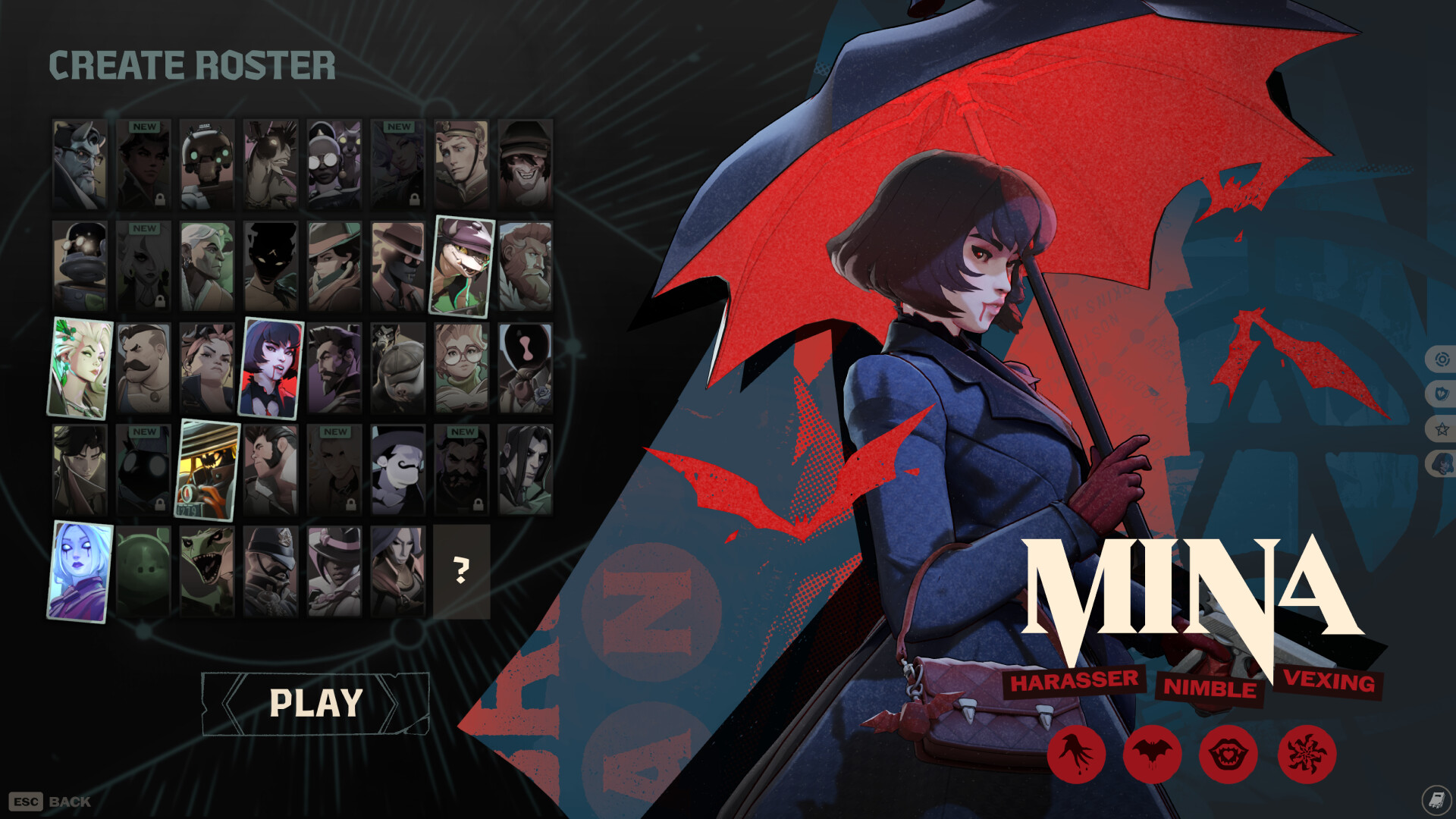
Here’s where most deadlock guide Reddit threads get it wrong: they front-load tier lists and win rates, and new players freeze. This step tells you the opposite. Ignore the stat page. Ignore the role labels. Pick the hero that looks right.
The signals to trust:
- Silhouette — does the character read clearly to you at a glance?
- Name — does it sound like something you’d main?
- The gut check — “this one feels correct today.”
And per a commenter on the original guide, an additional official-looking criterion: you may also simply pick the one who “looks hot.” That’s community-endorsed wisdom, for what it’s worth.
The mindset that makes this work: if you lose, the choice was still correct — just in a different timeline. You learn a hero twice as fast when you actually like looking at them.

Step 3 — Pick a Lane Direction and Commit
The map is big, and big maps paralyze beginners. The fix is simple: choose a direction and fully commit to it. Wandering halfway to one objective and then turning back is how you end up contributing to nothing.
Two social situations will try to derail you, and the guide has an answer for both:
- Teammates ping you off your path → in this framing, they’re simply afraid of innovation. Acknowledge, then keep going.
- Nobody pings at all → you’re clearly ahead of the meta. Silence is approval.
Read this as permission to move with intent rather than permission to ignore your team forever. The real lesson is decisiveness: a confident, slightly wrong rotation beats a hesitant, correct one.
Step 4 — Touch Everything That Looks Important
Deadlock is full of buttons, objects, and areas that just feel significant. The beginner move here isn’t memorizing every interaction — it’s proximity. Stand near things. Get close. Press what looks pressable.
The insight buried in the joke: both gains and losses are progress. If points get awarded, great. If points get removed, you’ve still learned the map’s rules. Early matches are for collecting that knowledge, not for protecting a number.
Step 5 — Fight Like Participation Is Mandatory
This is the emotional core of the guide. Winning a fight is optional. Showing up is not.
Reframe your deaths:
- If you die, you gathered data — where the enemy came from, what killed you, how fast it happened.
- If you survive, stay suspicious. Surviving isn’t proof you solved anything.
As for ultimates, the community rule is deliberately broken: fire them too early, too late, or never correctly. The point is that holding an ultimate forever is its own kind of throwing. Use it, learn from the outcome, and stop treating it like a museum piece.

Step 6 — Accept the Midgame Chaos as Normal
At some point in every match, everyone does the same three things: they regroup by accident, split up instantly, and then fight for no clear reason. New players read this as their team falling apart. The guide’s take is calmer: this isn’t chaos, it’s just the game expressing itself.
Practically, this means don’t spam pings trying to force order onto a disorganized midgame. Ride the current, stay near bodies, and rejoin the group when it inevitably reforms on its own.
Step 7 — The Only “Advanced Tech” You Need
To genuinely confuse an opponent, the original guide offers three behaviors:
- Walk with confidence in a direction that makes no sense.
- Stop suddenly for no reason.
- Look like you know something.
The honest caption on this technique is “works 30% of the time, every time” — a joke that’s also a realistic win rate for mind games. Use it sparingly, and never tell anyone you were bluffing.
Step 8 — Recognize the Endgame Before It Ends
You’ll know the match is wrapping up when a few visual and social cues line up:
- The UI starts glowing or otherwise intensifying.
- People start typing “end” in chat.
- Something explodes that wasn’t there before.
When those signs appear, the only remaining decision is emotional: celebrate or mourn, accordingly. There’s no mechanical trick left to pull.
The Final Advice (Read This One Twice)
Deadlock, in the community’s framing, rewards three things: patience, curiosity, and pretending you understand the patch notes. That last one is the joke, but the first two are the real takeaway for anyone new.
The closing line is the best summary of the whole philosophy: if you feel lost, good — if you feel confident, you missed something. Confusion in your first matches means you’re still paying attention. Comfort usually means you’ve stopped exploring.
If you rate this guide, rate it for clarifying nothing. If you comment, comment “I tried this and somehow won.”