Deadlock Game Overview: A Complete Look at Valve’s Cursed Apple
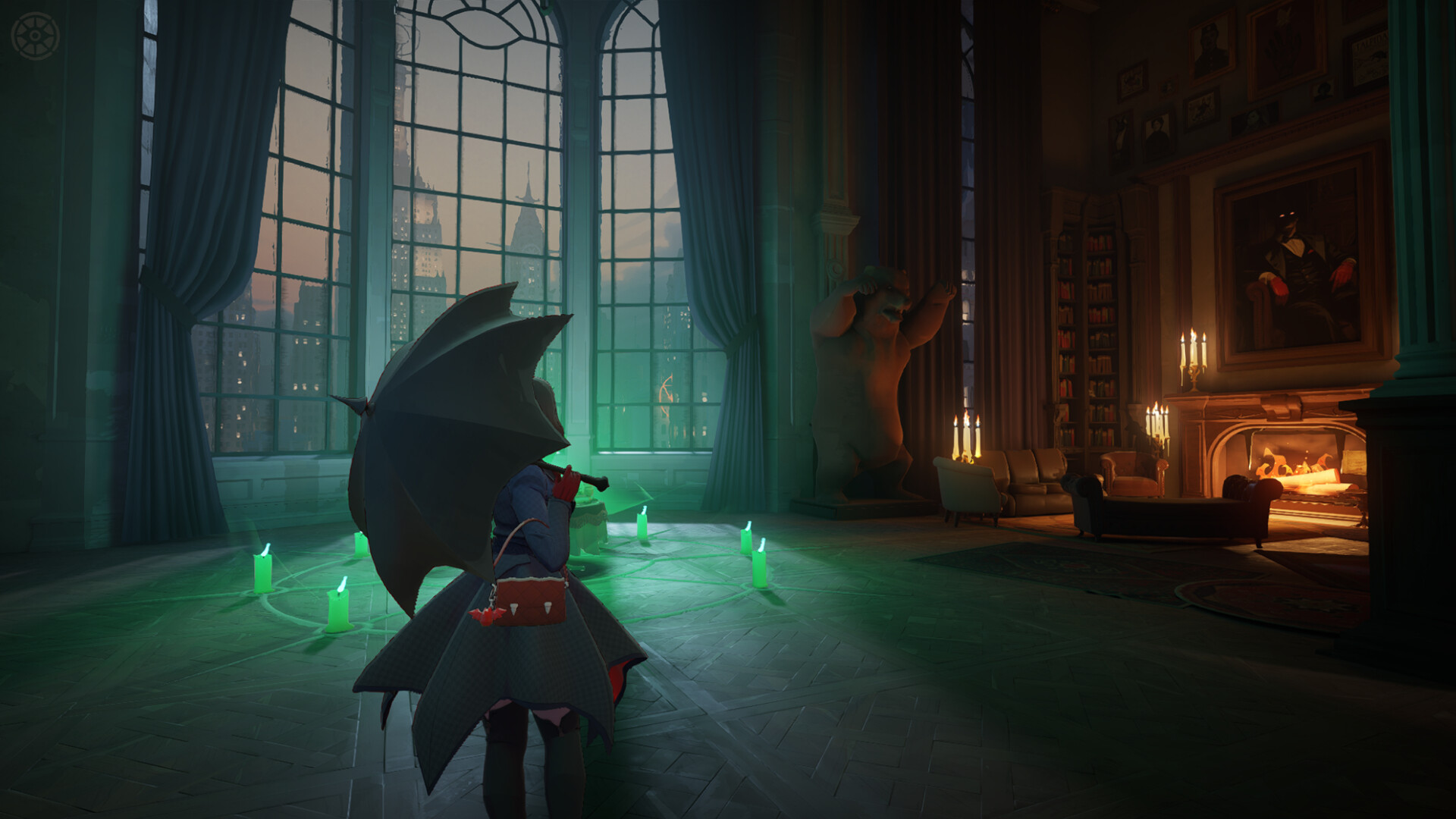
Deadlock is a multiplayer game in early development by Valve, currently limited to friend-invite access through playtesters. It blends third-person shooter combat with MOBA-style lanes, heroes, items, objectives, and patrons, all set in an ever-changing version of New York City known as the Cursed Apple. If you are trying to get your bearings before your first match, this overview walks through what makes the game tick — from the souls economy and the objective ladder to every game mode, hero, and map feature currently in the build.
Core Gameplay: Souls, Lanes, and Objectives
Deadlock is a 6v6 MOBA third-person shooter, and understanding its two halves is the key to enjoying it. The shooter side is familiar: you aim, shoot, and use abilities in a hybrid perspective. The MOBA side is where the depth lives, built around a resource called souls.
Souls are earned through last-hitting, soul orbs, and denies. In practice, that means lining up your shots to secure the killing blow on a target, while contesting the orbs that spawn so your opponents can’t claim the same value. Because souls drive your power curve, the lane phase is as much about economy as it is about fighting.
Matches take place on a three-to-four-lane map connected by ziplines, the fast travel routes that let you rotate between lanes and objectives quickly. Pushing a lane eventually brings you up against the objective ladder: Guardians (the giant torch-bearing figures on each lane), then Walkers, Shrines, the Patron, and finally the Mid-Boss and its Rejuvenator. Learning the order of these objectives — and when to trade a lane push for a map objective — is the backbone of any successful match.
Deadlock All Game Modes
Deadlock currently offers two ways to play, and they reward very different skills.
Standard 6v6
The core mode is the classic 6v6 match: three to four lanes, a souls-driven economy, and a full objective ladder running from Guardians up to the enemy Patron. This is where the complete Deadlock multiplayer game experience lives — laning, rotating on ziplines, farming souls, and converting advantages into map control and eventually a base assault.
Street Brawl
Street Brawl is a new fast-paced game mode built for players who want action without a long farming phase. Join a quick 4v4 battle for the city in a best-of-five match. Each round takes a couple of minutes, and players start every round with equal resources — no farming required. That streamlined structure means Street Brawl is a great way to practice fighting and ability usage without committing to a full-length game.
The Heroes
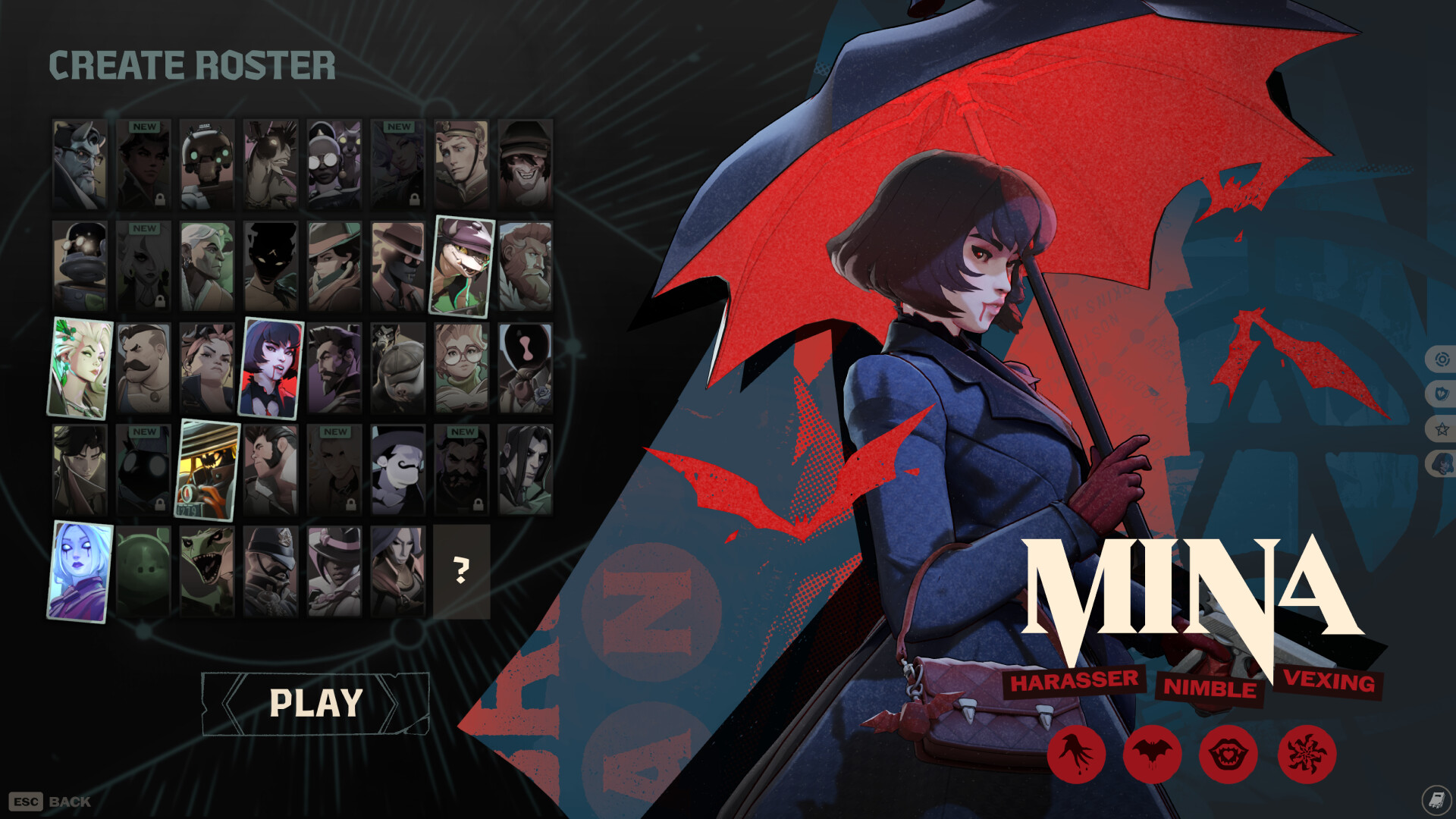
Deadlock’s roster spans tanks, carries, and support-style heroes, and the beginner-friendly picks commonly recommended for new players include Abrams, Haze, Seven, Infernus, McGinnis, and Dynamo. Each hero brings distinct tools: Abrams leans on stuns and healing, Haze thrives on primary fire and a devastating ultimate, Seven is a high-damage carry threat when fed, and Dynamo and McGinnis anchor teams with control and turrets.
The roster keeps expanding. New heroes are released two per week, and the community votes on the release order through the Pregame lobby (where the winning team’s votes count double) and the Hideout ballot box. Players earn votes by playing, with the First Win of the Day granting bonus votes, and New Hero Priority Tokens let you more reliably select a new hero before others grab it.
The Cursed Apple: Map, Districts, and Objectives
The map is an ever-changing New York City, and specific neighborhoods carry specific dangers. Common landmarks include Uptown (the quickest route to the action), Times Square (the beating heart of the city), Downtown (home to strange rumblings beneath the subway line), Umbria University, Central Park, The Brownstones, the Stock Exchange, Seaport Dock, and the Old Fairfax Factories. Real New York buildings are recreated too, such as St. Paul’s Chapel (completed in 1766 and the oldest surviving church in Manhattan) and Grace Church (a Gothic Revival National Historic Landmark completed in 1846).
Haunts and Map Objectives
The neutrals you may remember have been replaced by a variety of creatures called Haunts, each with new behaviors, and their soul value and comparative difficulty are now shown directly in the HUD. Each district has its own signature haunt — Broadway and Greenwich are among the stops on the tour, while Theater hosts the Stage Hands, Chinatown brings the Crabbage Pots and Festival Spirit, the Haunted Lot hides the Shrooms, and the Plaza is home to the Underhands.
Beyond killing Haunts, the map hides several must-do objectives and buffs:
- Sunken Plaza — shrouded beneath the district’s main square, a high-risk, high-reward descent where the sounds of the outside world fade away.
- Bell Tower — a highly concentrated soul hotspot above Chinatown; the bell rings loudly across the map while you collect.
- Tough Crates — require a Heavy Melee to break open, but the extra souls make it worthwhile.
- Buff Containers — revamped golden statues that now also grant Spirit Resist, Bullet Resist, Ability Range, and Move Speed as permanent bonuses.
- Healing Snacks — hidden around the map for keen-eyed players to heal up in a pinch.
- Steam Vents — provide invisibility and a small amount of regen while standing on them, letting your team navigate in veiled cover.
Deadlock Gameplay Tips: Building Your Hero
Items are how you convert souls into power, and Deadlock organizes them into three categories — Weapon, Vitality, and Spirit — across four cost tiers. Build resources typically present per-hero item routes organized by phase, so you always know what to buy as the match develops.
A few item principles that show up again and again in guides and builds:
- Counter-pick, don’t just stack damage. Anti-heal items such as Decay, Healbane, and Toxic Bullets shut down heroes who rely on healing.
- Defense wins fights. Reactive Barrier counters stuns and abilities, Ethereal Shift helps you survive and wait out ultimates, and Debuff Remover strips bombs, traps, and passives.
- Control decides teamfights. Knockdown, Curse, Silence Glyph, and Slowing Hex interrupt or lock down enemy heroes.
- Mobility is survival. Warp Stone, Extra Stamina, and Sprint Boots get you out of danger, while Majestic Leap and Veil Walker enable movement plays.
- Tier I staples set the pace. Early picks like High-Velocity Rounds, Rapid Shooting, Extended Magazine, and Headshot Booster tune your weapon, while Close Range, Life-Giving Shot, and Monster Rounds trade raw stats for situational value.
Deadlock Gameplay Walkthrough: The Match Flow
If you want a mental model for a full match, think of it in phases:
- Laning. Pick your lane, farm souls with last-hits, deny enemy orbs, and chip at the enemy Guardian.
- Early mid-game. Once lanes break, rotate along ziplines to contest objectives and gank, while buying into your core items.
- Objective pressure. Push down Walkers and Shrines, grab buffs like Tough Crates and Buff Containers, and fight over the Mid-Boss and its Rejuvenator.
- Base assault. With the map controlled, break the Patron to close out the game.
Along the way you’ll likely run into The Broker, a mysterious wandering merchant who sells demon-touched Corrupted items and modifications. He appears in different spots, stays only a few days, and is around for a limited time — he exchanges your high-tier items for Corrupted versions (such as Corrupted Ricochet or Corrupted Recharge). Be careful: each match, all corrupted items draw random negative attributes from a predefined set, so the trade is a gamble.

Progression, Postgame, and Accessibility
Two major updates have shaped Deadlock’s current state: City Never Sleeps (a massive visual update to the map and neutrals, six new heroes, The Broker, HUD and shop updates, an expanded sandbox, and accessibility options) and Old Gods, New Blood (overhauled Patrons and bases, six new heroes, the Street Brawl mode, HUD updates, a revamped postgame, and a settings rework).
The release schedule tied to these updates is community-driven. For Old Gods, New Blood, two heroes release per week on Mondays and Thursdays at 2:00 PM PST starting January 26th. For City Never Sleeps, two heroes release per week on Tuesdays and Fridays at 2:00 PM PT with the first release on October 2nd. Votes are cast in the Pregame lobby and the Hideout ballot box, as noted above.
The revamped postgame now includes a new MVP scoring system, an expanded postgame summary, and a postgame graph that tracks every permanent buff you collected during the match — a handy way to review how your build and objective choices paid off.
Finally, accessibility features are a dedicated part of the settings, covering visuals, audio, and controls. Options include enemy UI color, VO subtitles with customization, auto move, auto fire, auto mantle, reduced camera shake, and reticle updates, making the game more approachable for a wider range of players.
Quick Reference: Key Terms
- Souls — the core resource, earned via last-hits, soul orbs, and denies.
- Guardian / Walker / Shrine / Patron — the lane objectives you push through to win.
- Mid-Boss / Rejuvenator — a central objective that swings the match.
- Haunts — the reworked neutral creatures, each with unique behaviors and district homes.
- Street Brawl — the 4v4, best-of-five, no-farming fast mode.
- The Broker — a limited-time merchant trading high-tier items for risky Corrupted versions.
Whether you are drawn to the 6v6 objective grind or the quick rounds of Street Brawl, understanding souls, lanes, the objective ladder, and the item economy will have you contributing to your team far faster than jumping in blind. Practice the fundamentals, watch the release voting for your next main, and make the Cursed Apple your own.