Reviews and Player Reception
Deadlock arrived not as a finished product with a store page full of star ratings, but as a Valve playtest that grows in public view. That shapes everything about how “reviews” of the game actually work. There is no aggregate score to point at, so reception has to be read a different way — through the tone of community guides, the jokes players make about heroes, and the way Valve keeps handing the roadmap over to the people playing. This page breaks down what that reception looks like right now, and what it tells you about getting into a deadlock multiplayer match.
How Player Reception Works in an Invite-Only Playtest
Normally you judge a game by its reviews. Deadlock makes that harder, because access is limited to friend invites passed along by playtesters. That single design choice explains a lot about the community’s mood: the people writing guides and posting opinions are self-selected enthusiasts, the kind who chase an invite and then invest time in learning a hybrid that blends third-person shooting with MOBA lanes, heroes, items, objectives, and patrons.
The practical effect is that reception skews toward genuine engagement rather than launch-day backlash. Players are not reacting to a trailer — they are reacting to a game they fought to get into, and they talk about it the way people talk about a hobby they have chosen.
Community Guides as a Signal of Sentiment
The clearest evidence of how players feel shows up in the guides they write themselves. Take the Steam guide literally titled How to quit Deadlock. It walks new players through the uninstall screen in mock-serious detail, then lists the “steps” to follow afterward: go outside, breathe air, touch grass, go to the gym, get a job, take a shower, talk to people. It has drawn dozens of comments and reads as pure affectionate satire.
That kind of humor is a reception signal in itself. Players do not write a fake uninstall guide for a game they are indifferent to — they write it for a game they cannot stop opening. Community guides also carry real instructional weight alongside the jokes, from beginner introductions to the souls economy all the way through complete match-flow walkthroughs and per-hero item builds.
Reading the Deadlock Player Count
Anyone searching for a deadlock player count number will hit the same wall players do: because the game runs as an invite-gated playtest, there is no open storefront chart to glance at. What you can read instead is the activity behind the scenes.
Valve’s own update showcases describe a community that is being kept busy on purpose. During the City Never Sleeps event, two heroes released per week on Tuesdays and Fridays at 2:00 PM PT, starting October 2nd. During Old Gods, New Blood, that cadence continued with two heroes per week on Mondays and Thursdays at 2:00 PM PST, starting January 26th. A studio does not ship content that aggressively to an empty room — the release rhythm is the honest proxy for how many people are actually queuing up.

When Players Help Write the Roadmap
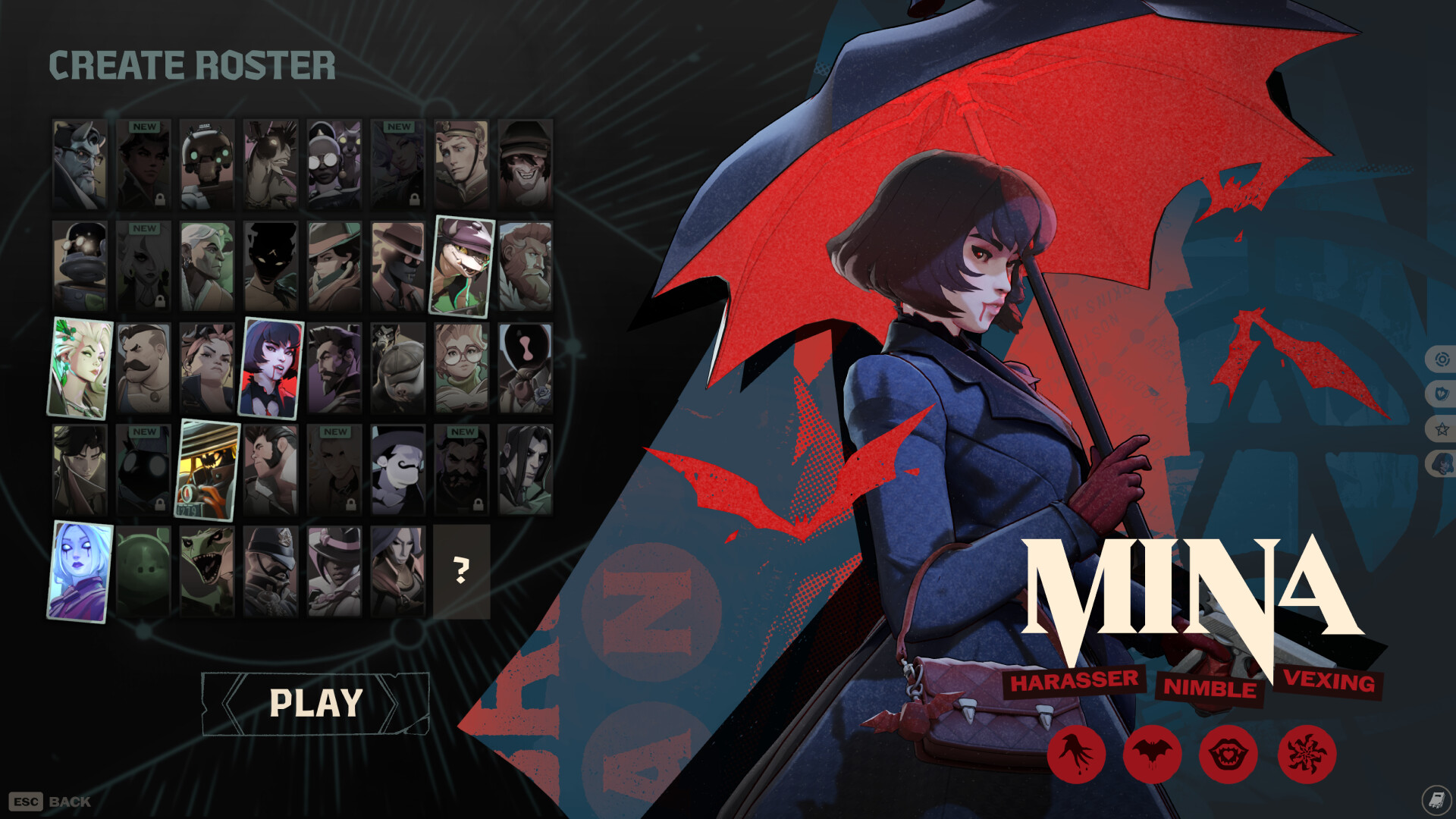
If reception is a conversation, Deadlock is one of the few games where the community literally gets a vote. New heroes are released two per week, and players decide the order through a Hero Release Voting system. Votes are earned by playing — the First Win of the Day grants bonus votes — and cast in two places: the Pregame lobby ballot, where the winning team’s votes count double, and the Hideout ballot box. New Hero Priority Tokens then let players more reliably lock in a new hero.
This is reception turned into a mechanic. It also creates a direct feedback loop: players who feel their preferences move the game have a reason to keep playing and keep voting. That is a healthier long-term signal than any launch-window review score.
A Guide for League Players Coming to Deadlock
For a deadlock guide for league players, the important framing is that your instincts largely carry over — with one big twist. You already understand laning against a direct opponent, farming a resource, buying items between fights, and pushing objectives after a won exchange. Deadlock keeps all of those bones and swaps the camera: you are now in third person, aiming your damage by hand rather than clicking a target.
The resource most League players take a little time to internalize is the souls economy. It rewards last-hitting, and it adds a layer League does not have in the same way — soul orbs you can shoot to deny the enemy. Think of it as a last-hitting mini-game layered on top of your existing lane discipline. The three- and four-lane map, the ziplines, and the chain of objectives from Guardians up through Walkers, Shrines, the Patron, and the Mid-Boss/Rejuvenator will feel like home once you map them onto the towers and inhibitors you already know.
A Guide for Dota Players Coming to Deadlock
For a deadlock guide for dota players, the mental model transfers even more cleanly. You will recognize the souls economy as an evolution of gold and experience, denies as denies, and the item shop’s Weapon / Vitality / Spirit categories and four cost tiers as a tidier version of a build tree. The phase-based item routes that community build sites organize — early laning purchases, mid-game power spikes, late-game luxury items — map onto the item timing you already plan for in Dota.
Where you will need to adapt is mechanical. Every ability and every basic attack resolves through an aim, so positioning is no longer just about range and vision — it is about line of fire. Heroes such as Abrams, Haze, Seven, Infernus, McGinnis, and Dynamo are commonly recommended as beginner-friendly precisely because they let you lean on recognizable MOBA roles while you adjust to the shooter layer.
Deadlock Tips New Players Learn Fast
The best deadlock tips for new players tend to be about priorities rather than flashy plays, and they line up with how the community actually plays:
- Treat souls as king. Learn last-hitting early, then learn to deny orbs. Your lane lead turns into items, and items turn into wins.
- Buy to counter, not just to scale. Deadlock’s item pool is full of answers — anti-heal for heavy healing, barriers and debuff removal against stuns and hooks, mobility and silence against escape artists.
- Check the map, not just your lane. Map objectives like the Sunken Plaza, the Bell Tower, and the Tough Crates pay out heavily, but the Sunken Plaza especially is high risk for high reward.
- Use the environment. Steam vents grant invisibility and a little regeneration while you stand on them, and healing snacks are tucked away for players who look.
- Know your lane’s Guardian. That giant torch-bearing figure on every lane is the first objective you will fight over, and understanding it makes early map decisions obvious.
- Ignore the memes at your peril. The community’s joking guides about hero-induced “suffering” are funny and a reminder that certain heroes dominate when they snowball.
The Deadlock Multiplayer Experience in Practice
The deadlock multiplayer loop is where reception really lives. The core mode is a 6v6 fight across lanes, but Valve has also added a faster, low-stakes alternative in Street Brawl — a quick 4v4 best-of-five battle for the city where each round takes a couple of minutes and players start with equal resources, so there is no farming to fall behind on. For newer players, that mode is a low-pressure way to feel the multiplayer rhythm before committing to a full match.
The surrounding systems reinforce the social feel. The revamped postgame hands out a new MVP scoring system and a postgame graph tracking every permanent buff you collected, which gives players something to argue about and celebrate afterward. Haunts — the new neutral creatures that replaced the old ones — now show their soul value and comparative difficulty right in the HUD, so the multiplayer environment itself communicates risk and reward at a glance.
What the Feedback Loop Tells You
When you do read player sentiment, treat it the way you would treat any early-access title: as a moving target. The game is in early development, and major updates have already overhauled heroes, bases, the HUD, the shop, the postgame, the settings, and the map’s visuals and neutrals. Heroes like Graves and Vindicta show up as community favorites, while other picks become running jokes precisely because they feel overtuned or oppressive in the wrong hands.
That volatility is not a warning sign — it is the sign of a game being actively tuned in front of its players. If you are deciding whether to jump in, the useful questions are not “what is its score” but “is content still shipping,” “does the community still care,” and “can I learn it.” The answer to all three, based on the update cadence, the ballot system, and the steady stream of player-written guides, is yes.
The Bottom Line on Deadlock Reception
Deadlock’s reception is best measured in engagement, not ratings. An invite-only playtest that keeps pumping out two heroes a week, hands the release schedule to a community vote, and inspires players to write both genuine full guides and self-aware jokes is a game with a healthy heartbeat. Whether you come from League, from Dota, or from shooters, the community’s advice points the same way: learn the souls economy, buy to counter the enemy in front of you, and use every corner of the map. The players are clearly still having the conversation — which is the strongest review an early playtest can earn.